
What To Wear To A Pilates Class? Pilates Clothes Advice
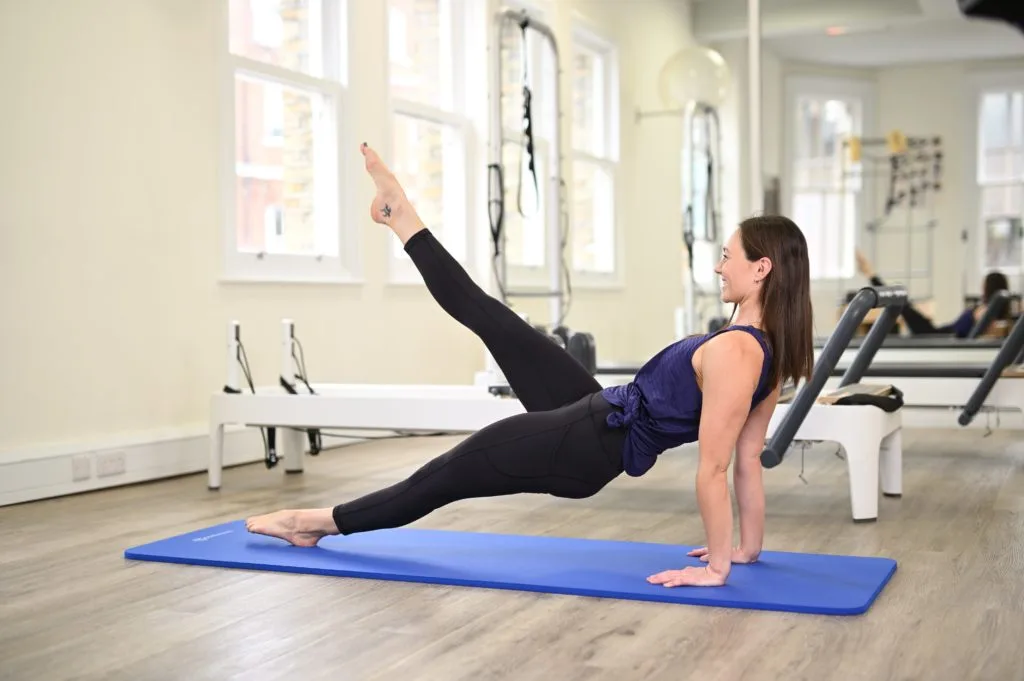
So, you’ve booked your first Pilates session congratulations! But are you wondering what to wear for a Pilates exercise class? You don’t need any fancy clothes for Pilates, but you do need suitable attire to get the most out of your Pilates experience.
The good news is that you don't need specialist or expensive activewear. The best Pilates clothes are comfortable, breathable and flexible enough to allow you to move through different positions without restricting you. For Reformer Pilates, it's also important to consider safety around the equipment, as well as clothing that allows your instructor to see how your body is moving.
Key Takeaways
- Comfort is essential – Soft, breathable fabrics like cotton, bamboo, or lycra allow you to move freely and stay comfortable during exercises. Avoid bulky seams, zips, or buttons that can dig in when lying down.
- Safety comes first – Loose clothing, jewellery, or accessories can catch on Pilates equipment. Fitted clothing reduces the risk of accidents and distractions during your class.
- Freedom of movement matters – Choose clothes that stretch and move with you. Tight leggings or slim joggers work best for flexibility, while avoiding garments that ride up or expose you in different positions.
- Form-fitting clothes improve feedback – Tighter clothing helps both you and your instructor see how your body moves, making it easier to improve your technique.
- Details complete the look – Pilates is often done in grip socks for stability and hygiene. Secure long hair, wear a soft sports bra for comfort, and pick materials suited to the season for the best overall experience.
Pilates Outfit Checklist
Before heading to class, check that you have:
- Comfortable, breathable clothing
- Leggings, fitted shorts or slim-fitting joggers
- A top that allows unrestricted movement
- A supportive, comfortable sports bra if required
- Grip socks if your studio requires or recommends them
- Hair tied back if it is long
- Minimal jewellery and accessories
- Clothing that remains secure and comfortable when lying down
Join the newsletter
Good news stories, exercise tips and short classes. One email a month.
Here’s What To Wear For Pilates Classes: 5 Considerations
1. Comfortable Clothes For Pilates
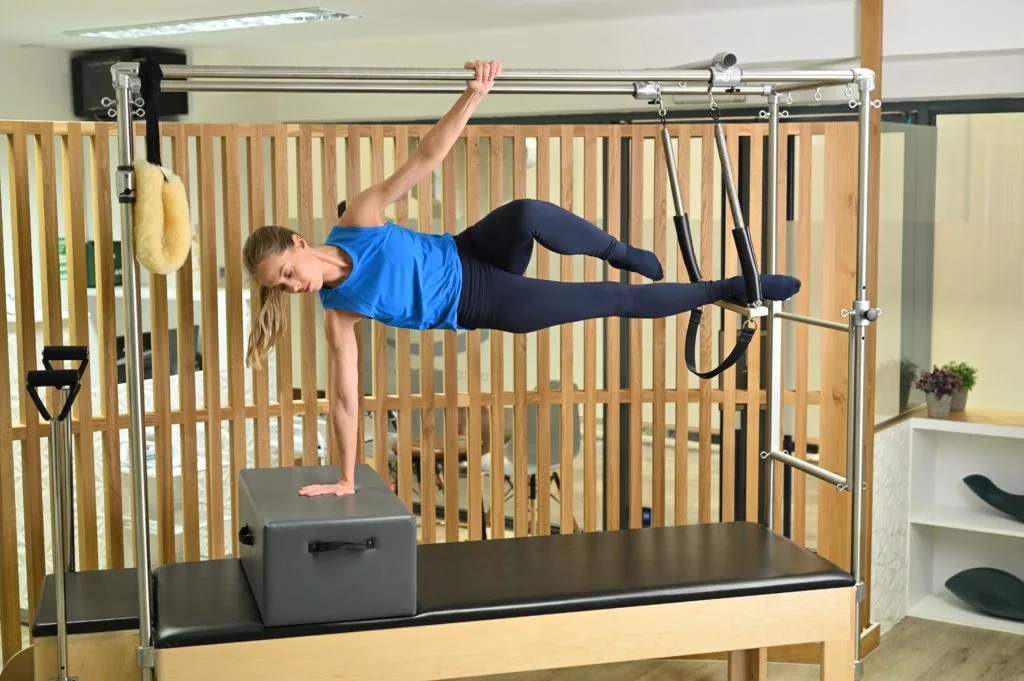
First and foremost, clothes need to be comfortable. It is important to think about the material you are wearing. For example, a stiff or thick fabric such as denim will be much more uncomfortable than something like bamboo, cotton, or lycra. It’s a good idea to think about lumps and bumps when you choose clothes for Pilates.
You will often be lying down for exercises, and the last thing you want is a button, zip or a bulky pocket seam digging into you whilst you’re trying to concentrate on your exercises. Soft clothes with a minimum of seams. Fasteners or other features are ideal. Also, consider that extra flaps of material may be undesirable; for example, wearing something with a hood – again, this may get in the way if you are doing something like a roll down.
2. Safety
Likewise, anything like jewellery or accessories has the potential to be rather uncomfortable. If you lie on a forearm whilst wearing a bracelet or watch, or lie flat on your side whilst wearing earrings, they will soon dig in. Accessories may also be a bit of a hazard if you are using equipment, as they may get stuck on the mechanical parts of the machinery. Loose sleeves or trouser legs have the potential to get caught in springs or levers on Pilates equipment.
3. Clothes That Allow Movement For Pilates
When considering what to wear for Pilates, consider that your clothes need to allow for movement. You will be moving your arms and legs through a greater range of movement than usual, and so your clothes need to be loose enough or stretchy enough to allow for that increased range.
Loose or tight? Without a doubt, loose-fitting clothing will allow you to move well. Some people may prefer looser clothing, especially if they are self-conscious about their body. For men who might be used to baggy joggers or shorts, you can try a combo of medium running shorts over cycling shorts or sports compression tights. If you’re not quite brave enough for that, then a slim-fit pair of joggers is a must.
4. Modest Clothing
Do take into consideration, though, that the clothing needs to cover you in a variety of positions. Loose tops may ride up if you happen to be doing something where your legs are higher than your head, for example. Baggy shorts may also creep up towards the hips if you are performing something like a bridge, so it’s a good idea to wear a tight pair underneath to avoid flashing your underwear!
Men in particular, be warned: baggy or very short shorts can show more than you bargained for. Form-fitting clothes such as leggings and stretchy tops are popular in Pilates for a good reason – unlike loose clothes, they aren’t so likely to end up accidentally showing a midriff or thigh.
5. Clothes For Pilates Can Help You Learn
More importantly, perhaps tighter-fitting clothes allow you and your instructor to see how your body is moving. This makes it much easier to know when to correct a movement.
What to Wear to Reformer Pilates
Reformer Pilates involves moving through a wider variety of positions while using specialist equipment, so your clothing needs to be comfortable while also being practical and secure.
- Form-fitting leggings, shorts or slim-fitting joggers paired with a comfortable top are all suitable options.
- Avoid very loose clothing, long drawstrings or accessories that could become caught in the moving parts of the Reformer.
- Grip socks are also commonly worn during Reformer Pilates to provide traction while using the equipment and to maintain hygiene in the studio.
- It's also helpful to choose clothing that allows your instructor to see your alignment and movement. This can make it easier for them to provide corrections and adapt exercises to your technique or individual needs.
Materials To Wear For Pilates
If the environment is important to you, a factor that you may wish to take into consideration is sustainability. With the spotlight shining on the fashion industry as a major producer of carbon dioxide, retailers who encourage the use of sustainable materials such as bamboo may be more appealing. Other sports apparel outlets offer recycling schemes which contribute to environmental responsibility. You may want to consider different types of material for different seasons.
A thicker material will provide more warmth in Winter, whilst a thinner material will be cooler for Summer.
If you are buying leggings, it’s helpful to look at yourself squatting in them – the material needs to be thick enough that it doesn’t become see-through when stretched.
If you tend to produce a lot of sweat when exercising, you may need to factor in choosing breathable, sweat-wicking and odour-resistant fabrics.
What Do You Wear On Your Feet For Pilates?
Pilates is performed without shoes. The feet and ankles are rich in sensory receptors that are constantly sending information to the brain about where you are in space. Shoes or trainers can interfere with that rich source of information.
Performing Pilates barefoot gives you a better connection with the ground. Also, shoes may give added support and stability, which is useful when you’re out and about, but when you are doing Pilates, we want to challenge the feet, so barefoot is best.
At home, you might perform Pilates without socks either, but for hygiene/health and safety reasons you may prefer or be asked to wear socks at a class. You might want to consider investing in specific Pilates socks which have rubber grips on the bottom to reduce the likelihood of slipping on a nice smooth studio floor.
If you are participating in equipment Pilates, you may also wish to invest in socks with grips that also have toes in, which allows you to wrap your toes more comfortably around equipment bars when you do footwork again, reducing the likelihood of feet slipping on the metal bars.
What Underwear Should I wear For Pilates?
For women, consider your bra choice for the ultimate comfort. A comfortable yoga or low-impact sports bra with softer, thicker straps can be a practical choice for Pilates, particularly if your class involves a lot of movement or you prefer additional support. Avoid anything with uncomfortable underwiring, hooks, bulky clasps or straps that dig into your skin when lying down or may slide about more.
For men, supportive underwear can also help you feel more comfortable during exercises where your legs are raised, or you're moving through a wide range of positions. The most important consideration is choosing underwear that stays securely in place without restricting movement.
What Should I Do With My Hair For Pilates?
As well as clothes for Pilates, you should consider other factors such as your hair. It is best to tie long hair back to prevent it from getting in your face. For Pilates equipment, as a safety measure, hair should also be tied up to minimise the chance of getting caught on any of the moving parts.
What Clothes Are Best for Pilates?
- Leggings
Leggings are a popular choice because they allow unrestricted movement while making it easier for an instructor to see the alignment of your legs.
- Joggers
Slim-fitting or lightweight joggers can work well if you prefer more coverage. Avoid overly loose styles that could become caught in equipment or obscure your instructor's view.
- Shorts
Stretchy shorts can be suitable for Pilates, particularly in warmer conditions, but choose a length and fit that stays secure when your legs are raised.
- Tops
Choose a breathable top that stays in place when you're lying down or moving through different positions. A fitted or close-fitting top can make it easier for your instructor to observe your movement.
What Not to Wear to Pilates
When deciding what to wear to Pilates, it's just as useful to know what to avoid.
- Very loose clothing, bulky seams, hard fasteners, jewellery and accessories can become uncomfortable when you're lying down or moving around.
- Loose sleeves, trouser legs or drawstrings may also get in the way when using Reformer equipment.
- Avoid clothing that restricts your movement or becomes see-through when stretched.
- It's also worth avoiding anything that you would constantly need to adjust during class, as this can distract you from your exercises.
What Our Experts Say?
Pilates is all about feeling comfortable and confident in moving your body, so wearing an outfit that allows for a full range of movement that you feel confident in is a great place to start!

What Should You Wear to Pilates If You Feel Self-Conscious?
Taking all these factors into consideration, you should have a good idea of what to wear for Pilates. However, don’t forget it is also important to wear something that you are happy in.
If you're nervous about what to wear to your first Pilates class or feel self-conscious about wearing close-fitting clothing, remember that there isn't one "correct" Pilates outfit. Choose clothes that make you feel comfortable and confident while still allowing you and your instructor to see and assess your movement.
FAQs
What should I wear for Reformer Pilates?
The most important consideration when deciding what to wear for your Reformer Pilates class is comfort. We suggest wearing breathable clothing that allows freedom of movement and making sure that whatever you wear, we can easily see how you’re moving. If you have a particular, like a shoulder injury, it can be useful to wear a singlet so we can see the area better.
Can you wear joggers to Pilates?
You can wear joggers to Pilates Reformer classes. We suggest wearing joggers that are more breathable as you’ll get warm during your class. Make sure you can bend well at the hips and knees. If you have a knee injury, it might be useful to ensure you can roll them up beyond your knee if we need to perform an assessment.
Can I wear a hat to Pilates?
We recommend not wearing a hat to Pilates. You will be lying in lots of positions during your class, including face down, so your hat may get in your way. It is also important to be able to see us and what you’re doing, so you may find it inhibits your vision. Of course, if for any reason you really prefer to wear a hat, we suggest one without a peak or brim.
Do you wear shoes for Pilates?
We don’t wear shoes in our Reformer Pilates classes. This is both for the effectiveness of your exercises and also to keep our equipment clean and well-maintained. We ask that you wear socks to our classes, and you may like to have specific grippy Pilates socks, which you can purchase with us at our studios.
Conclusion
You don't need expensive activewear to enjoy Pilates, but choosing the right clothing can make a real difference to your comfort, safety and performance. Soft, breathable, well-fitting clothes and grip socks will allow you to move freely while helping your instructor guide your technique. Ultimately, wearing something you feel comfortable and confident in will help you get the most from every Pilates session.
Try a Pilates Class at Complete Pilates
If you want to experience the Complete difference and discover the benefits of one-to-one or small group physio-led Pilates, book a session at one of our London or Norfolk studios today. Not able to make it to one of our studios? We've got online options to suit you anywhere, anytime.
Our physiotherapist-led Pilates studio in Chelsea, our Angel Pilates studio, our Pilates studio in City, and our Norfolk Pilates studio in East Anglia offer a highly tailored approach to your Pilates training. Whether your goal is to manage a health condition, rehabilitate from an injury or to improve your strength and fitness, Complete Pilates is the studio for you.
Related Blogs:
- What To Expect From A Pilates Class
- What is Pilates?
- How to use a Pilates Reformer Machine
- Different Types of Pilates Equipment Guide
- Beginner’s Guide to Reformer Pilates
Education is Key
These blogs are designed to give information to everyone; however, it is important to remember that everyone is different! If you have not seen one of our therapists and have any questions about injuries, what you have read or whether this may be useful to you, please just ask. We are more than happy to help anyone and point you in the right direction. Our biggest belief is that education is key. The more you understand about your injury, illness and movement, the more you are likely to improve.
If you are not sure whether this is for you, simply get in touch. We are here to help!
Reviewed by Sabrina Krebs, Clinical Pilates Instructor
Published 7 Apr 2025 · Updated 12 Oct 2026